How LED Light Therapy Can Support the Body’s Natural Healing Processes
LED light therapy, also known as photobiomodulation, is a method used to support the body’s natural healing. By exposing the skin to light at specific wavelengths, the mitochondria – the cell’s “powerhouse” – are stimulated, which can help increase the production of adenosine triphosphate (ATP). ATP is the form of energy that drives many of the body’s cellular functions, and improved energy availability can facilitate the cells’ recovery process.
According to research, certain wavelengths within the red and near-infrared light spectrum are particularly beneficial and effective in stimulating these biological processes. Studies show that light in the range of approximately 630–660 nanometers (red light) and 810–850 nanometers (near-infrared light) often produces favorable results when it comes to influencing cellular energy production and supporting tissue recovery. These wavelengths are effectively absorbed by cytochrome c oxidase in the mitochondria – an enzyme that plays a central role in the cell’s energy metabolism.
Research has also shown that light within these wavelengths can influence several biological mechanisms important for healing. There are indications that LED light therapy may help to:
-
Support cellular repair processes by improving energy production.
-
Promote blood circulation and stimulate the formation of new capillaries, helping deliver more oxygen and nutrients to the tissue.
-
Support lymphatic function, which can facilitate the removal of fluid and waste products from affected areas.
-
Reduce temporary pain and irritation by influencing nerve activity and the release of natural substances such as endorphins and serotonin.
-
Contribute to balanced collagen production, which can support smoother tissue healing.
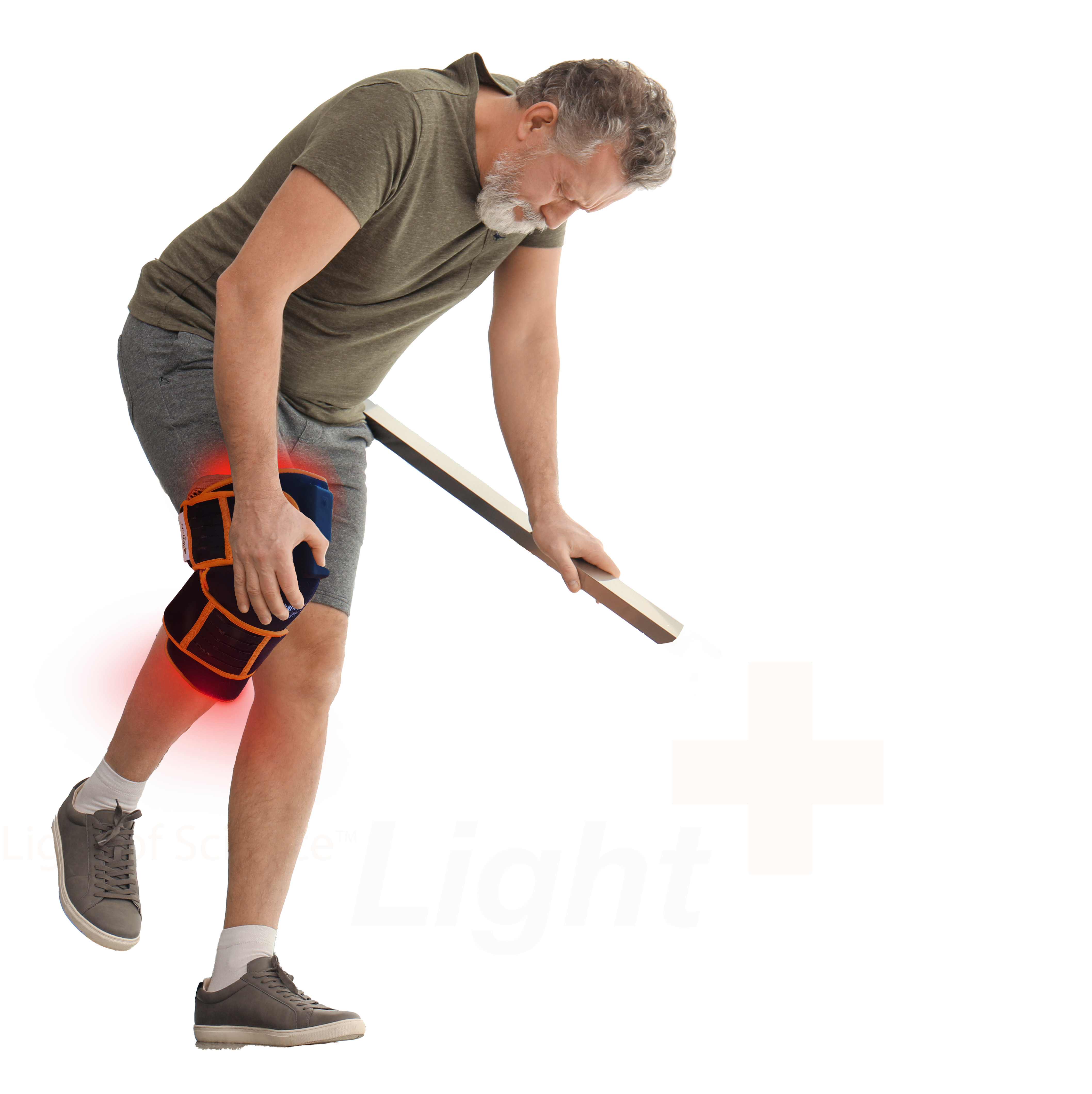
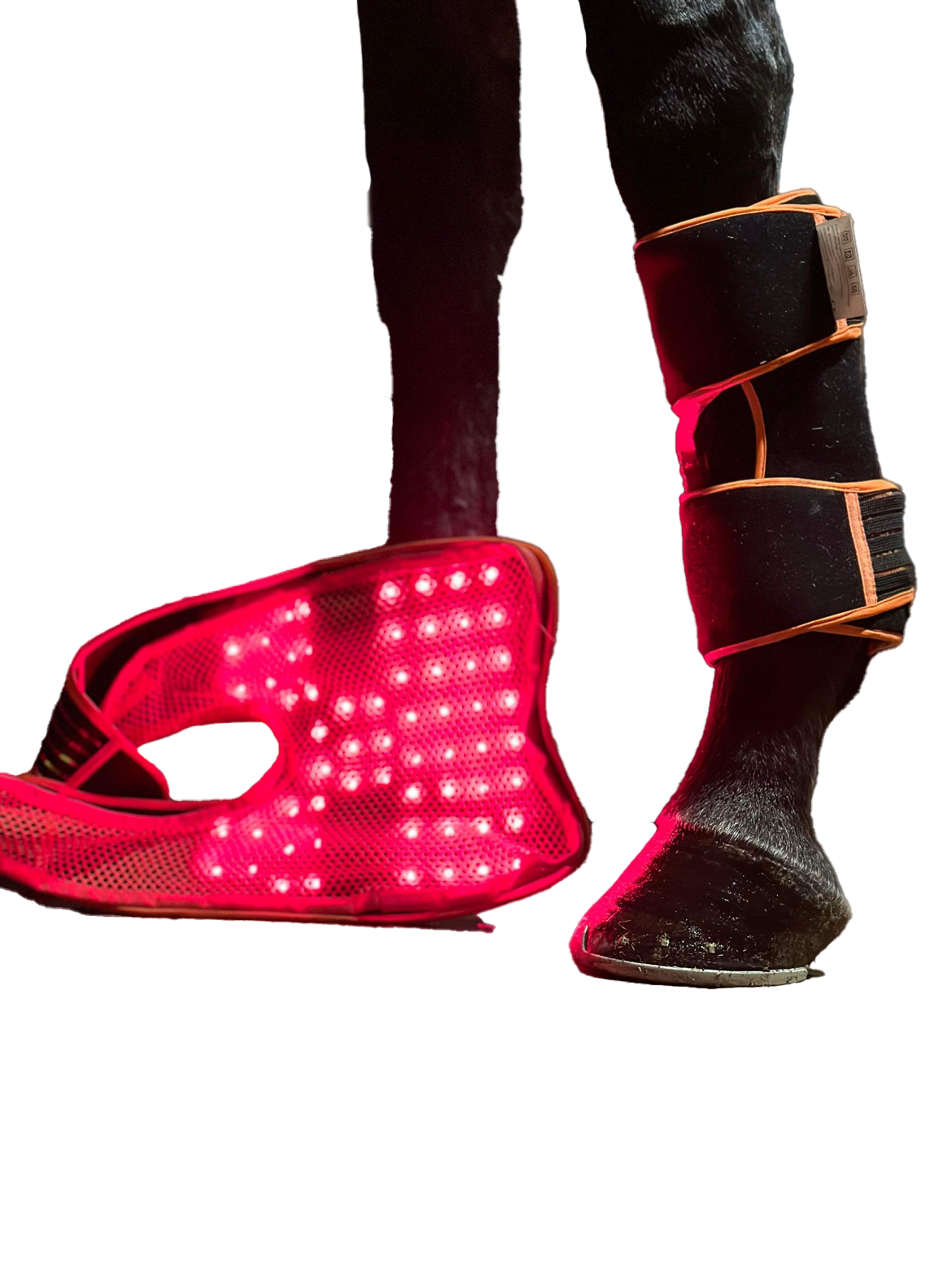
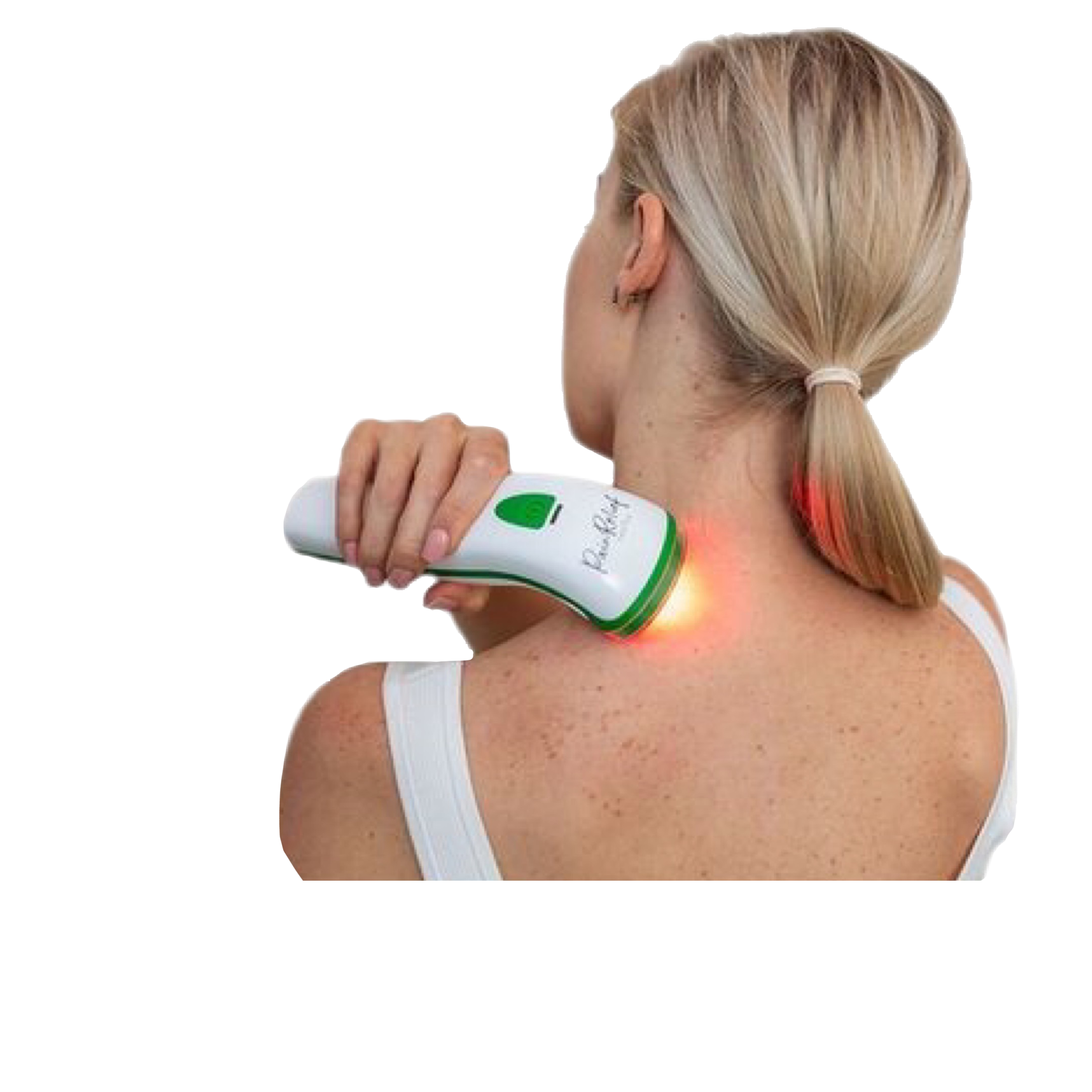
LED light therapy is used both in veterinary care and for humans to support recovery and overall well-being. Although results may vary depending on the individual, type of injury, and treatment approach, a growing body of research suggests that light at specific wavelengths can have positive effects on the body’s natural processes for repair and regeneration.
1. LED light and cellular energy production
LED light therapy is widely used in rehabilitation and wellness settings to support the body’s natural cellular energy processes. Research has identified connections between specific wavelengths of light and the way mitochondria work with ATP production—the energy source cells rely on for their normal functions. Many users find the therapy to be a valuable complement when aiming to promote cellular recovery.
2. In relation to injuries and acute situations
When tissues experience injury or stress, LED light therapy is often applied early in the process to support the cells’ natural response. Studies indicate that light therapy can influence the biochemical processes activated immediately following an injury, which is why it is used in both human and veterinary fields during acute and subacute phases.
3. Cellular recovery and tissue balance
LED light is frequently included in research exploring how cells recover and how the body rebuilds tissue. The method is often used to encourage a well-balanced healing process by supporting the cells' ability to return to normal function. Research has also noted associations with how cells contribute to the formation of new blood vessels, nerve tissue, and other structural cell types.
4. Inflammation, swelling, and the lymphatic system
Although inflammation is a natural part of healing, it can temporarily limit cellular performance. Research has examined how LED light interacts with tissue undergoing inflammation and how it may support the movement of both fluid and proteins via the lymphatic system. Some studies describe increased lymphatic activity and changes in vessel diameter—findings that are applied in sports, veterinary medicine, and wellness contexts to help manage swelling and tissue stress.
5. Immune system and systemic effects
Near-infrared light has been widely studied and has, in several research settings, been linked to the activity of the immune system. While the underlying mechanisms are still under investigation, there are reports of broader, systemic responses following localized treatment. This is one reason LED light therapy is used both on specific areas such as wounds and more generally during periods of strain or recovery.
6. Circulation and oxygen delivery
LED light is often associated with improved circulation in the treated area, a topic frequently highlighted in tissue-healing research. Certain wavelengths have been linked to the ability of blood vessels to dilate, potentially supporting the delivery of oxygen and nutrients during recovery. This makes the therapy widely used in both sports applications and rehabilitation.
7. Nerve tissue and sensory experience of pain
In pain-related research, LED light therapy has been studied in connection with nerve sensitivity and increased irritability in affected tissues. Findings describe associations between light therapy and the body’s own neurotransmitters, including endorphins and serotonin, which many users regard as contributing to the calming and relieving sensation experienced during treatment.
8. Collagen and tissue structure
Collagen is a central component of tissue repair, and LED light therapy is frequently used in settings where balanced collagen production is desired. Studies have explored how certain wavelengths may influence the cells’ collagen-related activity, which is relevant in both tissue restoration and recovery of areas exposed to strain or injury.